
Tiny homes are gaining attention as people look for affordable and eco-friendly ways to live. Many want homes that use less energy and support a simpler lifestyle. Tesla, a company famous for electric cars and clean energy, often comes up in talks about sustainable living. But does Tesla make a “tesla mini home”? In this blog post, we’ll clear up what a “tesla mini home” is, look at Tesla’s tiny house project, and share options for anyone wanting a small, green home.
The term “tesla mini home” might make you think of a tiny house built and sold by Tesla. However, Tesla doesn’t actually sell tiny homes. Instead, they created a Tesla Tiny House to show off their solar panels and Powerwall battery. This tiny house isn’t a product you can buy. It’s a mobile display that highlights how Tesla’s energy solutions work in a small space.
People love the idea of a “tesla mini home” because Tesla stands for innovation and sustainability. Even though Tesla isn’t in the housing business, their energy products can still play a big role in tiny home living. Let’s break down what Tesla offers and how it connects to the tiny home movement.
Tesla’s Tiny House Project
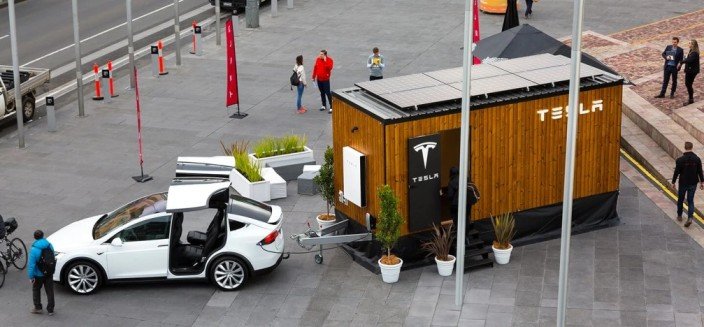
In 2017, Tesla rolled out a tiny house in Australia as part of a roadshow. The goal wasn’t to sell homes but to show how their energy products work. The Tesla Tiny House is a small, towable unit powered entirely by solar energy. It uses Tesla’s solar panels and Powerwall to run lights, appliances, and more.
This tiny house isn’t for living in full-time. It’s more like a demo booth on wheels. People who visit can use a tool inside to figure out how much solar power their own home could make. The Tesla Tiny House proves that even a small space can run on clean energy with the right setup.
You may also like: BeTechIt.com Tech News
Features of the Tesla Tiny House
The Tesla Tiny House has some neat features that make it stand out. Here’s what it offers:
- Solar Panels: It has a 2 kW solar system on the roof. These panels catch sunlight and turn it into electricity.
- Powerwall: This is Tesla’s home battery. It stores extra solar energy so the house can use it later, like at night.
- Energy Calculator: Inside, there’s a tool that shows how much solar power you could get. It’s a hands-on way to learn about Tesla’s tech.
- Green Design: The whole system runs on renewable energy. It cuts out the need for gas or coal power.
Since the Tesla Tiny House isn’t for sale, it’s more of an idea than a product. Still, it shows how a “tesla mini home” could work with the right energy tools.
A Real Option: Boxabl’s Casita
Tesla might not sell a “tesla mini home,” but other companies are stepping up with tiny homes that fit the same vibe. One popular choice is the Casita by Boxabl. This is a 375-square-foot tiny home that’s easy to ship and set up. While it’s not made by Tesla, it’s often linked to Tesla’s ideas because of its focus on efficiency.
Elon Musk, Tesla’s CEO, reportedly lives in a Boxabl Casita near his SpaceX site in Texas. That connection has made people curious about it. The Casita isn’t a “tesla mini home,” but it’s a solid option for anyone wanting a small, modern home.
Here’s what the Casita brings to the table:
- Folding Design: It folds up for shipping and unfolds on-site. This makes it quick to install.
- Energy Savings: It uses less power than bigger homes. You can add solar panels to make it even greener.
- Full Setup: It has a kitchen, bathroom, and living space. Everything fits into its small footprint.
The Casita starts at around $50,000, making it an affordable way to get into tiny living. It’s a real-world choice for those inspired by the “tesla mini home” concept.
Why Tiny Homes Make Sense
Tiny homes are more than just a fad. They offer real benefits that line up with sustainable living. Here’s why you might want one:
- Lower Costs: Tiny homes cost less to buy and maintain. You save money on bills and repairs.
- Eco-Friendly: Small homes use fewer materials and less energy. They’re a smart way to shrink your carbon footprint.
- Simpler Life: With less space, you keep only what you need. It’s a push toward living with less stuff.
- Flexibility: Many tiny homes can move. You can take your home with you if you relocate.
A “tesla mini home” might not be something you can buy from Tesla, but their energy products can boost any tiny home. Adding solar panels or a Powerwall turns a small house into a green powerhouse.
Making Your Tiny Home Like a Tesla Mini Home
Want to create your own “tesla mini home” vibe? You can use Tesla’s energy products in any tiny home. Here’s how to do it:
- Add Solar Panels: Tesla sells solar panels that fit on small roofs. They pull in sunlight to power your home.
- Get a Powerwall: This battery stores solar energy. It keeps your lights on even when the sun’s down.
- Track Your Energy: Tesla’s app lets you see how much power you make and use. It’s an easy way to stay efficient.
You don’t need a Tesla-built house to live sustainably. Pairing their tech with a tiny home gets you close to that “tesla mini home” feel.
Benefits of Going Small and Green
Living in a tiny home with clean energy has perks beyond saving money. It’s about building a lifestyle that’s good for you and the planet. For example, a smaller space means less cleaning and upkeep. That gives you more time for things you enjoy.
Using solar power cuts your reliance on the grid. It’s a step toward energy independence. Plus, it feels good to know you’re helping the environment. Tiny homes with Tesla tech can make a big difference in a small package.
Tiny Homes and Housing Challenges
Tiny homes also tackle bigger issues, like housing costs. In many places, buying a regular house is out of reach for young people or retirees. A tiny home offers a cheaper way to own a place of your own. The Casita, for instance, costs a fraction of a traditional home.
On top of that, tiny homes can go where bigger houses can’t. You can set one up in a rural spot or a friend’s backyard. Adding Tesla’s energy solutions makes it even more practical for off-grid living.
What’s Next for Tesla and Tiny Homes?
Tesla isn’t likely to start selling a “tesla mini home” anytime soon. Their focus is on energy and transportation, not housing. But their products are a natural fit for the tiny home trend. As more people go small, Tesla’s solar panels and Powerwall could become standard add-ons.
Companies like Boxabl might keep bridging the gap. They’re already making tiny homes that appeal to Tesla fans. The future could bring more options that blend tiny living with clean energy in exciting ways.
FAQs About Tesla Mini Home
-
What is the cost of a Tesla Mini Home, and are there financing options available?
Tesla has not released an official “Tesla Mini Home” for sale, so no specific pricing is available. However, based on the Tesla Tiny House demonstration model and the $50,000 starting price of the Boxabl Casita (a comparable tiny home), a Tesla Mini Home might fall in a similar range, potentially higher with added Tesla technology like solar panels and a Powerwall. Financing options would depend on Tesla’s future offerings, but tiny home buyers often access loans through third-party lenders or explore eco-friendly housing incentives. -
When will the Tesla Mini Home be available for purchase, and is there a waiting list?
Currently, Tesla does not sell a “Tesla Mini Home.” The Tesla Tiny House was a promotional project, not a consumer product. If Tesla were to launch a mini home, availability details—like release dates or pre-order waitlists—would likely be announced via their official channels. For now, alternatives like the Boxabl Casita have waitlists, hinting at a possible model Tesla might follow. -
What unique features does the Tesla Mini Home offer compared to other tiny homes?
While not a market product, the Tesla Tiny House showcased a 2 kW solar system and Powerwall integration. A hypothetical Tesla Mini Home might feature advanced energy solutions like roof-integrated solar panels, smart climate control via the Tesla app, and durable, minimalist design—setting it apart from typical tiny homes that may lack such high-tech, sustainable systems. -
How does the Tesla Mini Home compare to the Boxabl Casita in terms of size and design?
The Boxabl Casita offers 375 square feet with a foldable, shippable design including a kitchen and bathroom. A Tesla Mini Home, if developed, might match this size range but emphasize energy-efficient materials and a sleek, tech-forward aesthetic. The Tesla Tiny House demo was smaller and less livable, suggesting a full product could prioritize both form and function differently. -
What are the potential drawbacks or challenges of living in a Tesla Mini Home?
Tiny living can mean limited space for belongings and restricted room for guests. If reliant on solar power, energy could dip during cloudy periods unless supplemented by a robust battery like the Powerwall. High-tech components might also demand specialized repairs, and zoning restrictions could limit placement options—challenges not unique to Tesla but relevant to any tiny home. -
Is the Tesla Mini Home suitable for families, or is it designed for individuals?
Most tiny homes under 400 square feet, like the Boxabl Casita, cater to individuals or couples due to space constraints. A Tesla Mini Home would likely follow suit, though clever design (e.g., lofts or foldable furniture) could make it viable for small families. Larger models would be needed for bigger households, which Tesla has not hinted at yet. -
What kind of maintenance does a Tesla Mini Home require, especially for its solar panels and Powerwall?
Tiny homes require minimal upkeep due to their size, but Tesla-specific features like solar panels need periodic cleaning to maintain efficiency, and the Powerwall would require monitoring for battery health. Tesla’s energy products typically include warranties, and their app could simplify tracking maintenance needs, though professional servicing might occasionally be necessary. -
How does the Tesla Mini Home contribute to reducing carbon footprint compared to traditional homes?
Tiny homes inherently use less energy for heating and cooling. With Tesla’s solar panels and Powerwall, a Mini Home could run off-grid on renewable energy, slashing emissions compared to traditional homes that rely on grid power—often from fossil fuels. Its smaller footprint also means fewer construction resources, amplifying the eco-benefit. -
Are there any legal restrictions or zoning laws that affect where you can place a Tesla Mini Home?
Yes, tiny homes face zoning hurdles depending on location. Some areas enforce minimum size requirements or prohibit tiny homes as primary residences without proper utilities. Researching local regulations is crucial, as Tesla Mini Home owners would need to ensure compliance with building codes and land use laws, just like any tiny home buyer. -
What are Tesla’s future plans for the Mini Home, and are there any new models or expansions in the works?
Tesla has not confirmed plans to produce a Mini Home beyond the Tiny House demo. Their focus remains on solar energy and storage products, which could integrate into tiny homes from other makers. Speculatively, Tesla’s innovation track record suggests they might explore housing someday, but no official roadmap exists for new models or expansions.
Conclusion
The “tesla mini home” isn’t a real product you can buy from Tesla. Instead, it’s an idea sparked by their Tiny House project. That project shows how solar panels and a Powerwall can power a small space. For those who want a tiny home now, the Boxabl Casita is a great pick. You can even add Tesla energy products to make it more sustainable.
Tiny homes are a smart choice for anyone wanting to save money and live greener. With or without Tesla, they’re a path to a simpler, more independent life. If you’re curious about tiny living, start small—maybe with a solar panel or two—and see where it takes you.